How to choose a mobile game genre that suits you
Different genres ask for different amounts of time, attention and skill. This guide helps you match a game style to your routine and preferences.
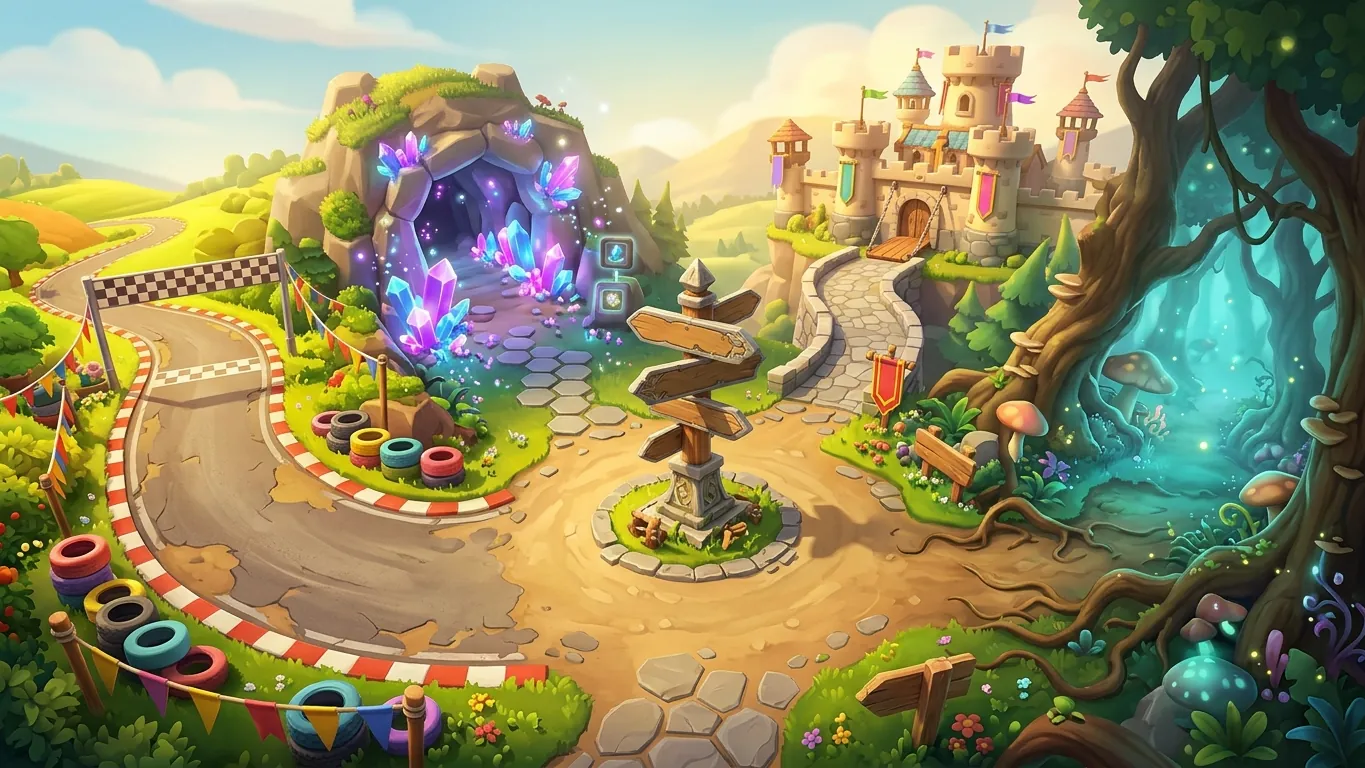
Think about how much time you have
The first question to ask yourself is not which game looks best, but how you actually spend your free moments. If you usually have a few minutes here and there, genres built around short rounds are a natural match. Puzzle levels, quick races and casual challenges can often be finished in a single sitting and paused without losing much.
If you prefer longer, uninterrupted sessions, story-driven adventures, role-playing games and deeper strategy titles may be more rewarding. These games often build on progress over time, so they feel best when you can settle in and pay attention. Being honest about your schedule helps you avoid games that feel like a chore because they demand more time than you can comfortably give.
Fast reactions or careful thinking
Genres also differ in the kind of effort they ask from you. Action, rhythm and racing games reward timing and quick reactions. They can be exciting and energizing, but they may feel stressful if you prefer a slower pace.
Puzzle, strategy and management games lean on planning and problem-solving. Many of them let you take your time with each decision, which some players find relaxing and satisfying. Neither style is better than the other. Notice how you feel after playing: if a fast game leaves you tense rather than entertained, a more thoughtful genre might suit you, and the reverse is true as well.
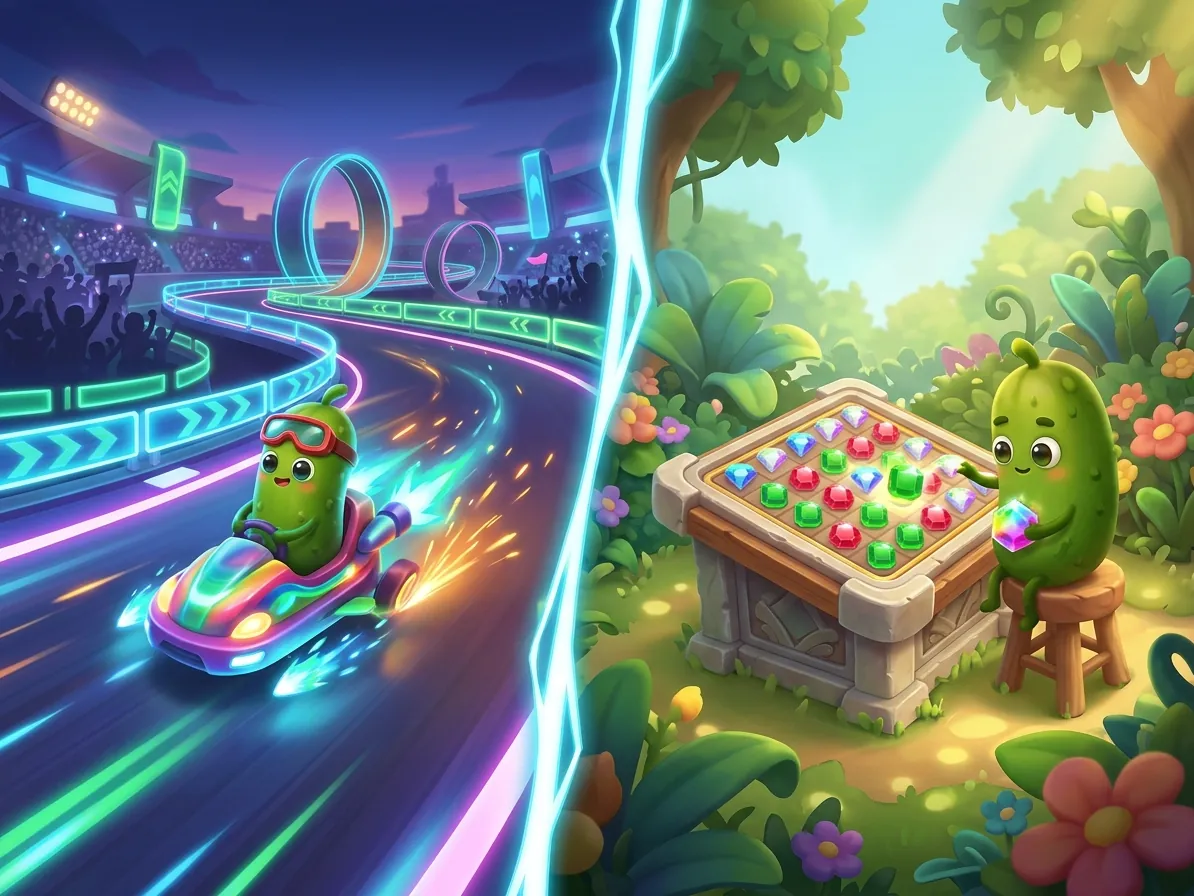
Playing alone or with others
Some players enjoy the quiet focus of a solo game, while others like the social side of playing with friends or strangers. Many mobile genres now include both options, but the balance varies.
Single-player puzzle and adventure games let you move at your own speed. Cooperative and competitive games add teamwork, chat and shared goals, which can be fun but may also involve scheduled events or pressure to keep up with a group. If you are new to online play, start with modes that let you join and leave freely. Check the privacy and communication settings so you control who can contact you, and remember that you can always step back if a social game starts to feel demanding.
Consider your phone and your surroundings
Your device and where you play also influence which genres work well. Visually detailed 3D adventures and action games may need more storage, more processing power and a steady connection. Simpler 2D puzzles and casual games usually run smoothly on a wider range of phones and use less battery.
Think about sound, too. Rhythm games depend on audio, so they are best when you can use headphones or play in a quiet space. Turn-based puzzles and strategy games, on the other hand, are easy to enjoy silently on a commute. Matching the genre to your real playing conditions makes each session more comfortable.
Try a few and keep an open mind
Even with careful thought, the best way to find a favorite genre is to experiment. Try one or two games from different categories and give each a fair chance beyond the tutorial, since early levels are often simpler than what follows.
Keep a mental note of what you enjoy: perhaps it is the feeling of solving a tricky level, discovering a new area or improving your best time. Those moments point toward the genres that suit you. Your tastes may also change over time, and it is common for players to move between relaxing and challenging games depending on their mood. There is no need to settle on one forever.
Related articles
 Battery and performance tips for mobile gamers
Practical tips to help mobile games run more smoothly and use less battery, covering graphics settings, storage, background apps and connections.
Read more
 Touch controls explained: taps, swipes and joysticks
An explainer on how touch controls work in mobile games, from taps and swipes to virtual joysticks, with tips for improving comfort and accuracy.
Read more
 How free-to-play mobile games work
A balanced explainer on free-to-play mobile games, covering ads, in-app purchases, randomized rewards and practical ways to manage your spending.
Read more