How free-to-play mobile games work
Many mobile games cost nothing to download but include ads or optional purchases. This explainer describes the common models and practical ways to stay in control of your spending.
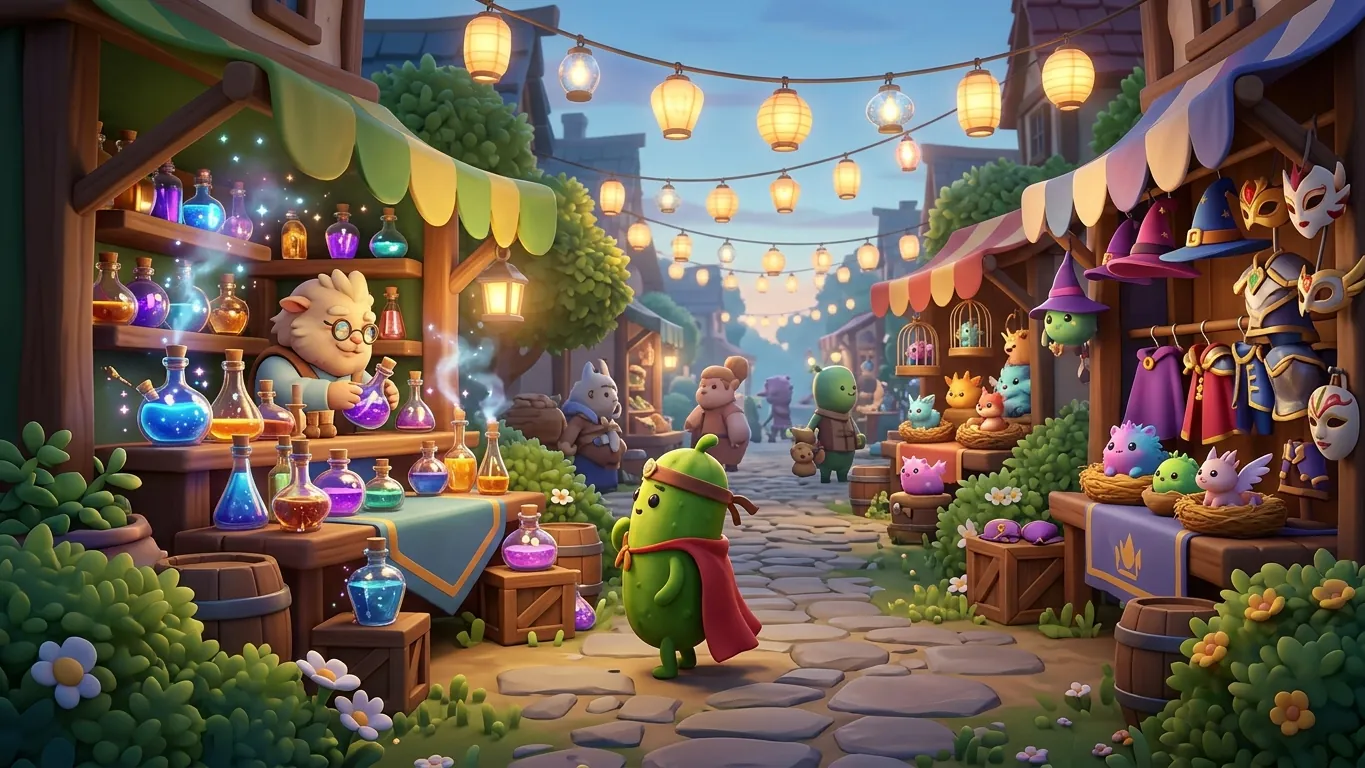
Why so many games are free to download
A large share of mobile games use what is called a free-to-play model. You can download and start playing without paying, and the game is funded in other ways, usually through advertising, optional in-app purchases or both.
This model makes it easy to try many games before committing to any of them, which is a real benefit for players. At the same time, it means the design of the game is often connected to how it earns revenue. Understanding the common approaches helps you recognize what a game is asking of you and decide what feels reasonable.
Advertising in games
Ads appear in several forms. Some games show short ads between levels. Others offer optional rewarded ads, where you choose to watch a video in exchange for an in-game bonus such as an extra life or a small amount of in-game currency. Banner ads may also appear at the edge of the screen.
If ads interrupt your enjoyment, check whether the game offers a one-time option to remove them, and read the details carefully so you know exactly what it includes. Playing offline can sometimes reduce ads in certain games, though this varies and some games require a connection to work at all.
In-app purchases and in-game currencies
In-app purchases can include cosmetic items such as outfits, extra levels or content, convenience features that speed up progress, and subscriptions or season passes that unlock a set of rewards over time.
Many games use their own currencies, such as gems or crystals, which you buy and then spend inside the game. This extra step can make it harder to keep track of what things really cost. A useful habit is to pause before any purchase and think about its real-world value rather than its in-game price. Ask yourself whether you would still want the item tomorrow.

Randomized rewards
Some games sell or award items through random draws, where you receive a surprise reward from a pool of possibilities. Players sometimes find these exciting, but because the outcome is uncertain, it is easy to spend more than planned while hoping for a particular item.
Where a game publishes the chances of receiving each item, it is worth reading that information before you take part. If you notice that random rewards make you feel pressured or frustrated, it may be a sign to set firmer limits or choose games that sell items directly instead.
Practical ways to stay in control
These steps can help you enjoy free-to-play games while keeping spending predictable.
- 01
Set a personal budget
Decide in advance what, if anything, you are comfortable spending on games each month, and stick to that decision.
- 02
Require a password for purchases
Most phones and app stores let you require authentication for every purchase, which adds a moment to reconsider.
- 03
Review purchase history
Check your app store purchase history from time to time so small purchases do not add up unnoticed.
- 04
Use family controls
If children use your device, turn on parental controls to limit or approve purchases and set age-appropriate content.
- 05
Enjoy the free experience
Many games can be played and enjoyed fully without paying. Treat purchases as optional extras, not requirements.
Related articles
 Healthy habits for comfortable mobile gaming
Practical habits for comfortable mobile gaming, including breaks, posture, screen settings and balancing play with the rest of your day.
Read more
 Puzzle game strategies for mobile players
Useful strategies for mobile puzzle games, from reading the board and planning moves to handling hard levels and limited move counts calmly.
Read more
 Why offline mobile games still matter
An opinion piece on the lasting value of offline mobile games, from playing on the go without a signal to focused, uninterrupted experiences.
Read more