Puzzle game strategies for mobile players
Puzzle games are among the most popular genres on phones. These general strategies can help you think more clearly and approach tricky levels with patience.
Read the whole board before moving
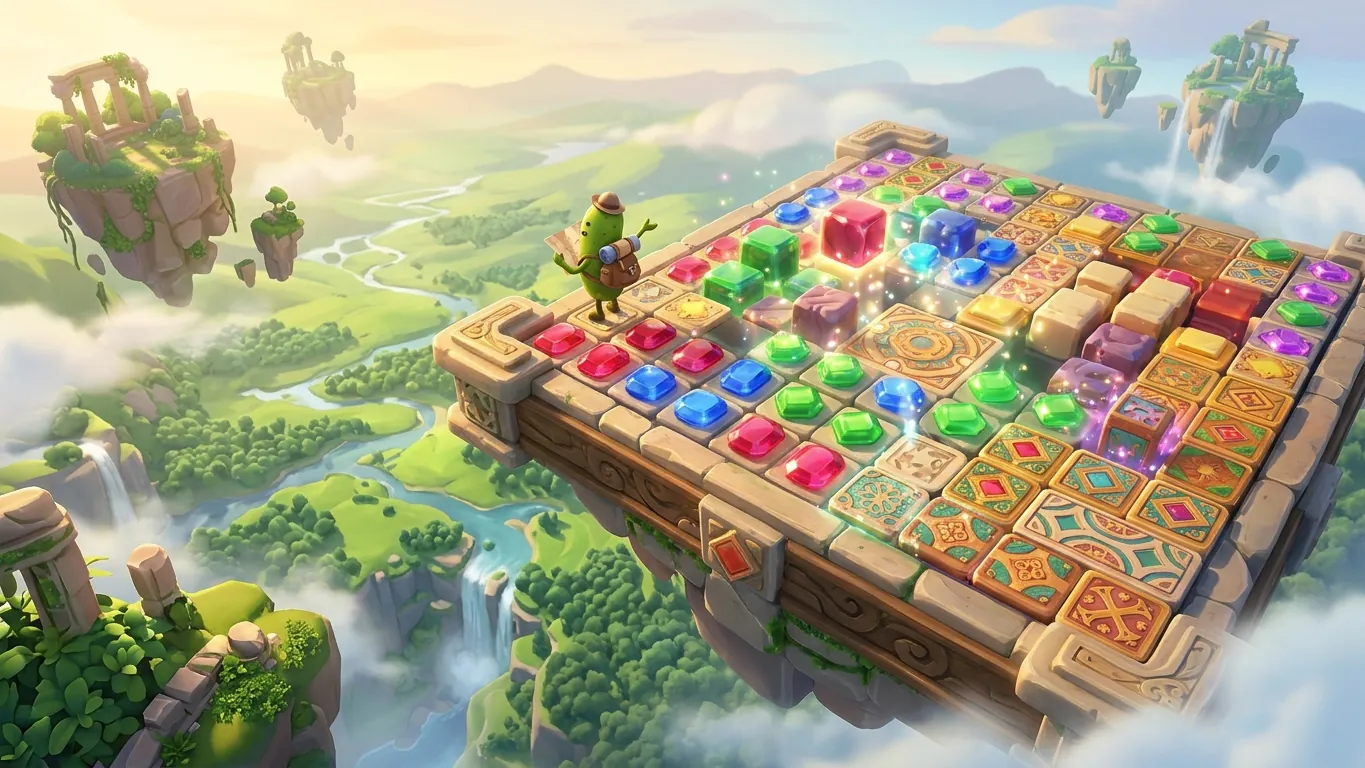
The most common mistake in puzzle games is acting on the first obvious move. Before you tap anything, take a few seconds to look at the entire board. Identify the level's goal, any obstacles, and where special pieces or opportunities might appear.
In matching games, moves near the bottom of the board often cause pieces above to fall and create chain reactions, while moves at the top tend to have more limited effects. In sliding and logic puzzles, look for the piece that blocks everything else. Building a habit of scanning first helps you spot better options and wastes fewer moves.
Focus on the goal, not just points
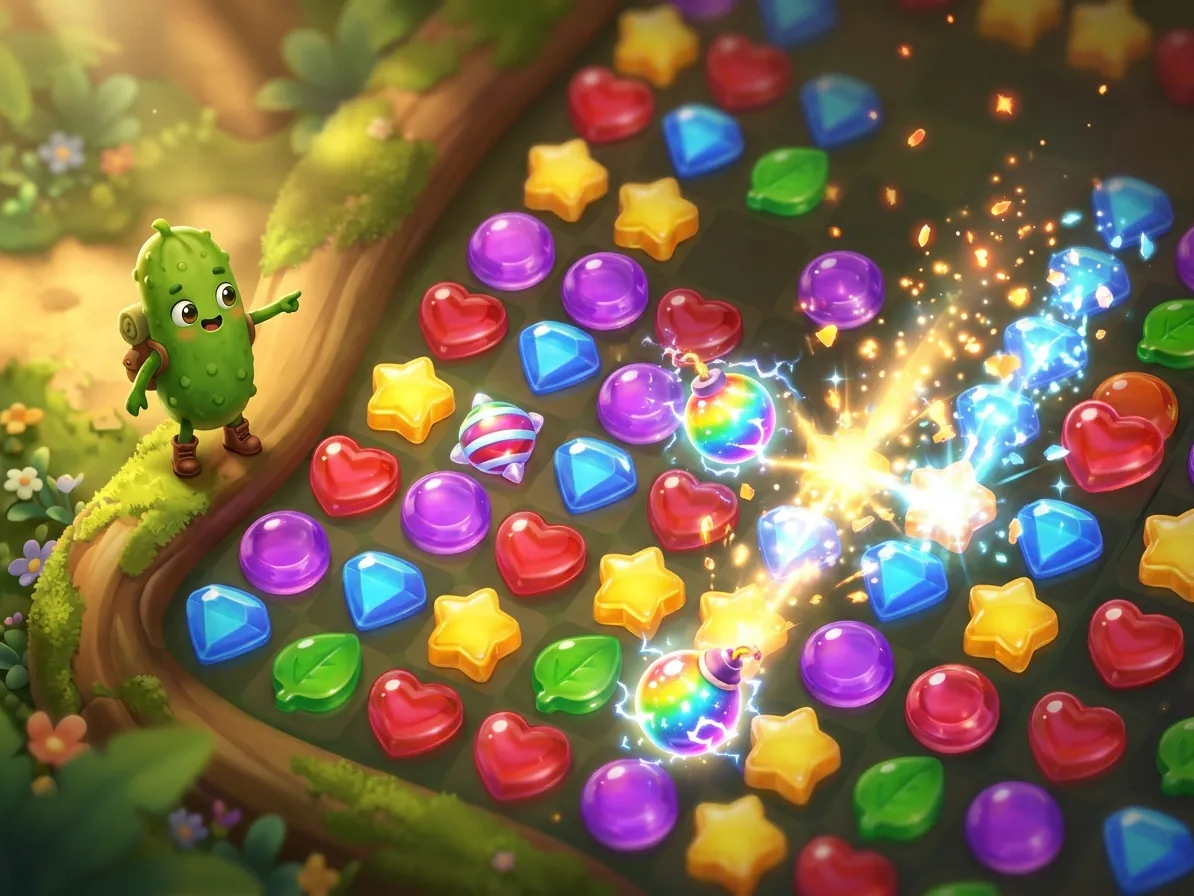
Many puzzle levels have a specific objective, such as clearing certain tiles, collecting particular items or reaching a target within a set number of moves. It is easy to get distracted by impressive combinations that score points but do nothing toward the actual goal.
Keep the objective in mind with every move. If you need to clear tiles in a corner, prioritize moves that affect that area, even if a flashier move is available elsewhere. When moves are limited, every action should bring you closer to finishing the level.
Learn how special pieces combine
Most puzzle games include special pieces created by larger matches or particular shapes. These might clear a row, a column, an area around them or all pieces of one color. Combining two special pieces often produces an even bigger effect.
Take time to learn what each special piece does in the game you are playing; the tutorial or help screen usually explains them. Then, rather than using a special piece as soon as it appears, consider whether you can save it to combine with another. Planning a powerful combination can solve levels that seem impossible with ordinary moves.
Handling difficult levels calmly
Every puzzle game has levels that feel much harder than those around them. When you hit one, try to treat each attempt as a chance to learn. Notice where the board tends to get stuck, which pieces cause trouble and what the level seems designed to test.
If you fail several times in a row, step away for a while. Coming back with fresh eyes often reveals approaches you missed. Be thoughtful about optional boosters or extra moves: they can help, but in many games a level can also be completed through planning and patience. Deciding in advance how you want to handle these options keeps the experience relaxed.
Logic, word and physics puzzles
Not all puzzle games are about matching. Logic puzzles reward working step by step: start with what you know for certain and build from there. In number or grid puzzles, filling in the definite answers first often unlocks the rest.
Word puzzles benefit from looking for common letter combinations and word endings. Physics puzzles, where you build structures or launch objects, encourage experimentation; small changes in angle or position can produce very different results. Across all of these styles, the same principle applies: slow down, observe, and treat mistakes as information. That mindset makes puzzle games more satisfying and less frustrating, whatever kind you enjoy.
Related articles
 Why offline mobile games still matter
An opinion piece on the lasting value of offline mobile games, from playing on the go without a signal to focused, uninterrupted experiences.
Read more
 Mobile gaming for beginners: where to start
New to games on your phone? This beginner guide explains how to pick a first game, read store pages, adjust settings and learn without frustration.
Read more
 How to choose a mobile game genre that suits you
A practical guide to choosing a mobile game genre based on your free time, preferred pace, play style and the kind of challenge you enjoy most.
Read more